
If you’ve been told you have PCOS (Polycystic Ovary Syndrome) and searched for diet advice, you’ve probably found plenty of plans built around quinoa bowls, avocado toast, and ingredients that don’t exist in a typical Pakistani kitchen. A realistic PCOS diet plan using Pakistani food is not only possible, it’s often more sustainable, because you’re not fighting your own culture and cravings every single day.
This guide walks through exactly which desi foods help with PCOS, which ones to limit, and what a real day of eating can look like.
Understanding the PCOS-Diet Connection
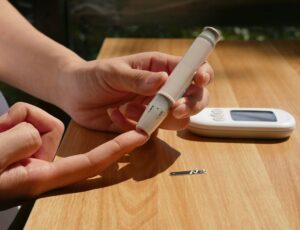
PCOS affects hormones, but at the center of most cases is insulin resistance — your body produces more insulin than it should to manage blood sugar, and that excess insulin pushes your ovaries to produce more androgens (male hormones), which drives symptoms like irregular periods, acne, hair thinning, and stubborn weight gain, particularly around the belly.
This is exactly why diet plays such a central role in managing PCOS — the right food choices directly reduce insulin spikes, which in turn helps regulate hormones over time.
Pakistani Foods That Help With PCOS
Whole wheat roti instead of refined flour (maida) items Roti made from whole wheat has a much lower glycemic impact than naan, paratha made with maida, or white bread. Swapping just this one staple can make a noticeable difference over weeks.
Daal and lentils Almost every Pakistani meal includes some form of daal, and that’s a genuine advantage here — lentils are high in fiber and protein, both of which slow down sugar absorption and keep you fuller for longer.
Low-glycemic fruits Guava, apples, pears, and berries (when available) cause a much smaller blood sugar spike than mangoes, bananas, or grapes eaten in large quantities. You don’t need to eliminate the higher-GI fruits entirely — just be mindful of portion size and timing.
Paneer and yogurt Good protein sources that also support gut health. Plain yogurt (not the sweetened kind) is particularly useful as a snack or side with meals.
Nuts and seeds Almonds, walnuts, and flaxseeds in small daily portions support hormone balance and provide healthy fats without spiking insulin.
Vegetables, especially leafy greens Saag, spinach, and other leafy vegetables are low-calorie, high-fiber, and rich in micronutrients that many women with PCOS are commonly low in, particularly magnesium and vitamin D.
Foods to Limit (Not Necessarily Eliminate)
- Sugary chai multiple times a day — try reducing sugar gradually rather than quitting cold turkey
- Fried snacks like samosas, pakoras, and fries — occasional is fine, daily is the problem
- White rice in large portions, especially biryani-style meals eaten frequently
- Sweetened drinks and desserts — these cause the sharpest insulin spikes of anything on this list
- Excessive refined flour (maida) in naan, white bread, and bakery items
The goal isn’t to never eat these again — it’s frequency and portion control, not total restriction, which is far more sustainable long-term.
Sample One-Day PCOS-Friendly Meal Plan (Pakistani Style)
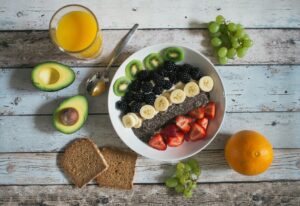
Breakfast: Vegetable omelette with one whole wheat roti, or oats cooked in milk with a few almonds
Mid-morning snack: A small bowl of plain yogurt or a handful of walnuts
Lunch: Daal with brown rice or one roti, a side salad, and sautéed vegetables
Evening snack: Roasted chana or a guava
Dinner: Grilled chicken or fish with sautéed saag and one roti
Before bed (optional): A small glass of milk with a pinch of cinnamon, which some women find helpful for blood sugar balance overnight
Lifestyle Factors That Work Alongside Diet
Diet alone isn’t the whole picture with PCOS. A few other factors make a real difference:
- Sleep quality — poor sleep worsens insulin resistance, even if your diet is otherwise on point
- Stress management — chronic stress raises cortisol, which interacts with the same hormonal pathways PCOS already disrupts
- Regular movement — doesn’t need to be intense; even consistent walking improves insulin sensitivity meaningfully over time
Frequently Asked Questions
Can I still eat rice if I have PCOS? Yes, in controlled portions. Pairing rice with protein and vegetables, and avoiding very large portions, keeps the blood sugar impact manageable.
How long before I see results from diet changes with PCOS? Most women notice initial changes in energy and bloating within 3–4 weeks, while changes in cycle regularity and weight typically take longer — often 2–3 months of consistent effort.
Do I need to cut out sugar completely? No. Gradual reduction works better long-term than sudden, complete elimination, which often leads to giving up on the plan altogether.
Is intermittent fasting good for PCOS? It can work for some women, but it isn’t right for everyone with PCOS, particularly those with adrenal or blood sugar sensitivities. This is worth discussing with a dietitian individually rather than following generic fasting advice.
Final Thoughts
Managing PCOS through food doesn’t mean abandoning the meals you grew up eating — it means making smart swaps and adjusting portions and frequency in ways that fit naturally into a Pakistani kitchen. Small, consistent changes compound significantly over a few months.
For a PCOS diet plan built around your specific symptoms, lab results, and food preferences, DaebakDiet‘s registered dietitians can create a personalized plan designed to actually fit your life.