
If you’re an athlete or a serious gym-goer in Pakistan, you’ve probably noticed something: most sports nutrition advice online is written for people eating oats, quinoa, and protein shakes — not roti, daal, and lassi. A proper sports nutrition diet plan for athletes in Pakistan doesn’t need imported supplements or expensive superfoods. It needs the right timing and the right combination of everyday desi foods, used the way your body actually needs them.
This guide breaks down exactly what to eat before, during, and after training, using foods you can find in any local bazaar or kitchen.
Why Sports Nutrition Matters More Than People Think
Training builds the stimulus, but food provides the materials your body actually uses to recover, build muscle, and perform better next time. Athletes who train hard but eat randomly often hit a wall — low energy mid-session, slow recovery, frequent injuries, or muscle gains that just won’t show up no matter how hard they train.
The three things that matter most are:
- Carbohydrates – your main fuel source for training intensity
- Protein – needed for muscle repair and growth
- Hydration and electrolytes – especially critical in Pakistan’s hot, humid climate
Pre-Workout Meals: Fueling Before You Train
Eating 60–90 minutes before training gives your body time to digest while still having fuel available during your session. The goal is moderate carbs, a little protein, and low fat (fat slows digestion, which isn’t ideal right before exercise).
Good pre-workout options using local foods:
- A banana with a spoon of peanut butter
- Plain paratha (lightly cooked, less oil) with a boiled egg
- Oats cooked in milk with a few dates
- Two boiled eggs with a slice of brown bread
Avoid heavy, oily pre-workout meals like paratha with extra ghee, fried items, or biryani right before training — they sit heavy in the stomach and can cause cramping or sluggishness mid-session.
During Training: Hydration Is Non-Negotiable
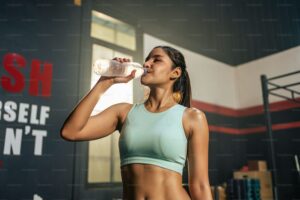
Pakistan’s climate means athletes lose fluids and electrolytes faster than in cooler countries, especially during outdoor training in summer. For sessions under an hour, plain water is usually enough. For longer or more intense sessions:
- Add a pinch of salt and a squeeze of lemon to water for natural electrolyte replacement
- Coconut water works well if available
- Avoid sugary sports drinks loaded with artificial colors when a simple lemon-salt water mix does the same job for less cost
A practical rule: if you’re sweating heavily for more than 60 minutes, you need more than plain water.
Post-Workout Recovery: The Most Important Meal of the Day
This is the meal athletes most commonly get wrong. Within 30–60 minutes after training, your muscles are primed to absorb protein and carbs more efficiently than at any other time of day. Skipping this window — or eating something purely carb-heavy like just chai and biscuits — slows down recovery significantly.
Strong post-workout options using Pakistani food:
- Chana chaat with boiled chickpeas, onion, and lemon — high in protein and fiber
- Grilled chicken tikka with a small portion of brown rice
- Daal with one roti and a side of yogurt
- A glass of lassi with a boiled egg or a handful of almonds
- Paneer bhurji with roti
The combination that matters is protein + carbs together, not just one or the other.
Sample One-Day Meal Plan for a Pakistani Athlete
Early morning (pre-workout): Banana with peanut butter Post-workout breakfast: Two eggs, one roti, a glass of milk Lunch: Grilled chicken, brown rice, daal, salad Evening snack: Roasted chickpeas or a fruit with yogurt Dinner: Fish or chicken with sautéed vegetables and one roti Before bed (optional, for muscle gain goals): A glass of milk with a handful of nuts
This isn’t a one-size-fits-all prescription — actual quantities depend on your weight, training intensity, and goals (fat loss, muscle gain, or endurance), which is exactly the kind of thing a personalized plan accounts for.
Common Mistakes Athletes Make With Diet
- Skipping meals to “cut weight” before competitions — this tanks performance and recovery
- Relying only on chai and biscuits for energy — quick sugar spikes followed by crashes
- Not eating enough protein — most Pakistani diets are carb-heavy and protein-light unless adjusted intentionally
- Under-hydrating — especially common during outdoor training in summer months
- Eating heavy, oily food right before training — causes sluggishness and digestive discomfort
Frequently Asked Questions
Do I need protein supplements to be a good athlete in Pakistan? Not necessarily. Whole foods like chicken, eggs, daal, paneer, and fish can meet most athletes’ protein needs. Supplements can help close gaps when whole food intake isn’t enough, but they’re not mandatory.
What should I eat if I train early in the morning before breakfast? A small, easily digestible snack like a banana or a few dates 20–30 minutes before training is enough to avoid training on a completely empty stomach.
Is desi ghee good or bad for athletes? In moderation, ghee is fine and even useful for calorie-dense diets aiming for muscle gain. The issue is usually quantity, not the ingredient itself.
Final Thoughts
You don’t need to abandon your regular diet to eat like an athlete — you need to time your meals smartly around training and make sure protein isn’t an afterthought. Pakistani food, used correctly, can absolutely fuel high-level athletic performance.
If you want a sports nutrition plan built specifically around your training schedule, goals, and food preferences, DaebakDiet‘s registered dietitians can put together a personalized plan tailored to exactly what you need.